


Maurice de Hond published a poll in early August 2026 (Peil.nl, 4,179 respondents) on gender care for minors. Nearly two-thirds of the Dutch population (65%) want the Netherlands to become more cautious with puberty blockers and hormones for children, following the path of the United States, England, Sweden and Finland. Only 19% believe that doctors can reliably predict whether a child’s or young person’s wish is permanent. When children with gender dysphoria – who often also have autism, depression or trauma – are concerned, 75% choose psychological treatment; only 5% favour the medical route with puberty blockers.
This is the clear majority of the population.
Politics at Odds with the Electorate
The stance of virtually all parties – setting FvD aside for a moment – is dominantly affirmative or supportive of the Dutch Protocol. The Health Council concluded at the end of June 2026 that the care is “carefully organised” and does not need drastic change, despite the lack of evidence.
Even among the most progressive parties, PRO and D66, support is limited: 50% and 46% respectively believe doctors can make a reliable prediction. On the question of whether the Netherlands should become more cautious, only 22% of PRO voters and 33% of D66 voters say yes. Among the rest, support is massive: CDA 76%, VVD 82%, JA21 88%, PVV 86%, FvD 93%. Support for the medical approach nowhere exceeds 15%.
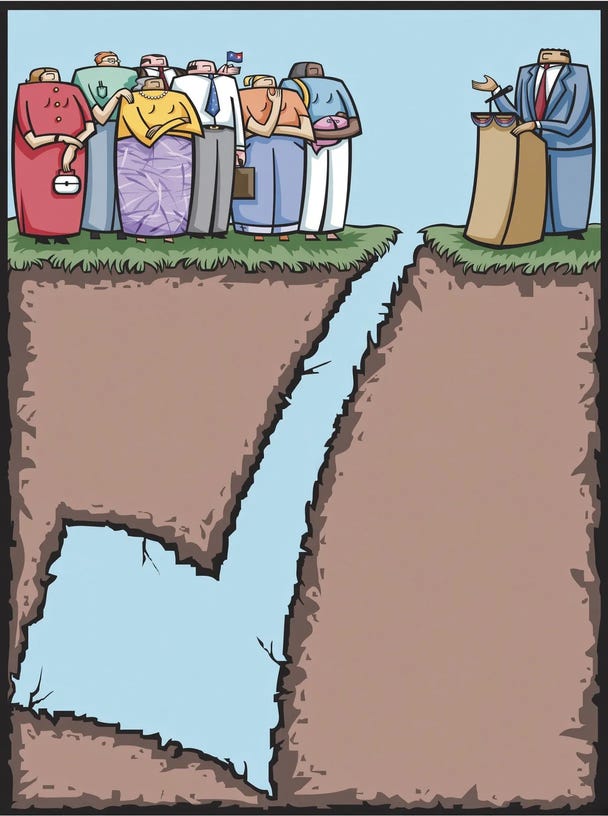
Parties to the right of D66 are therefore at odds with their own voters. The poll makes their position difficult to defend.
Bending is Not a Given
The logical reflex is that parties must listen, otherwise vote loss will follow. That assessment is moderately correct, but slightly too optimistic. Gender care is not a core issue for most voters; migration, purchasing power and housing weigh more heavily. Elite consensus, institutional pressure and internal party dynamics play a major role. At D66 and PRO, the progressive wing is dominant. At VVD and CDA, the fear of being labelled “transphobic” weighs heavily.
Parties ignore voter preferences on cultural issues as long as the costs remain manageable. Only when electoral pain becomes structural, and competitors succeed, does movement occur. The poll does shift the Overton window a little, but an automatic turnaround is not forthcoming.
Additional Pressure: Insurers and Hospitals
The poll gives insurers a strong negotiating position. In discussions about the basic package, they can point to the lack of proven benefit, public opinion, and the international trend. Treatments that the majority of the population regards as going too far become easier to put on the table or remove from the package.
Inside hospitals, this increases pressure on gender departments. Boards of directors and supervisory boards become less enthusiastic about departments operating in an increasingly critical societal and legal climate. The absence of solid evidence of benefit, combined with the rising number of lawsuits over regret and injury in the Netherlands, turns this care into a risk rather than a prestige project. Directors look at liability, reputation and future claims. This internal headwind reinforces the political gap.
International Repetition Makes it Structural
Existing data elsewhere already point in the same direction. In the United Kingdom (YouGov), 75% oppose puberty blockers for under-16s, and 78% oppose hormones. In the United States support for restrictions is growing; a majority favours bans on medical transition care for minors. In Sweden, support for gender-affirming care for young people has declined. Comparable sceptical majorities emerge as soon as questions are asked concretely.
Similar independent polls and signals in more countries show that the Dutch result is not an anomaly but a pattern. The claim of “consensus” and “public support” is losing credibility. Politicians and medical bodies that cling to the gender-affirmative model come under increasing pressure. What previously seemed radical is becoming mainstream.
What It Really Means
The poll exposes a fundamental gap between politics and society. Parties – especially those to the right of D66 – stand at odds with their voters. Insurers gain arguments to reconsider package coverage. Hospital directors see rising legal and reputational risks. Comparable international polls follow the same pattern. The legitimacy crisis for the current model is structural.
The figures are clear. The question is how long politicians, insurers and directors can continue to ignore them.
Genspect publishes a variety of authors with different perspectives. Any opinions expressed in this article are the author’s and do not necessarily reflect Genspect’s official position. For more on Genspect, visit our FAQs.
Thanks for the stats